

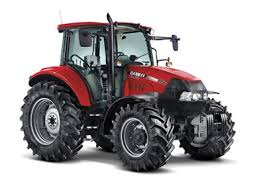
The agricultural machinery market has started the year on a positive note, recording growth across key equipment categories despite ongoing economic and geopolitical uncertainty.
Recent data from FederUnacoma shows that tractor sales increased by 2.7% in the first quarter, with more than 3,600 units sold. Even stronger growth was recorded in combine harvesters, which surged by 65%, while telescopic handlers rose by 46%.
However, not all segments performed equally. Trailer sales declined slightly by 1.5%, while transporters recorded a more notable drop of 11.8%.
Growth driven by ongoing demand
The first quarter results build on the upward trend seen in 2025, suggesting that farmers and agribusinesses are still investing in mechanisation to improve productivity and efficiency.
Rising demand for modern equipment reflects the need to:
- Improve operational efficiency
- Reduce labour dependency
- Enhance productivity under changing climate conditions
For many farmers, machinery investment remains a key strategy for maintaining output in increasingly unpredictable environments.
Uncertainty clouds outlook
Despite the strong start, the outlook for the rest of the year remains uncertain. Geopolitical tensions—particularly in the Middle East—as well as broader economic pressures, could influence purchasing decisions.
Uncertainty around government incentive programmes is also affecting market confidence. Delays or lack of clarity in support schemes may cause farmers and contractors to postpone equipment investments.
Importance of public incentives
Industry stakeholders emphasise the critical role of government support in sustaining market momentum. Incentive programmes such as tax credits and equipment financing schemes can help offset rising costs and encourage continued investment.
According to FederUnacoma, ensuring that these support measures are fully operational will be essential to stabilise the market during a challenging economic period.
Relevance for Sub-Saharan Africa
While this data reflects international markets, the trends are highly relevant for Sub-Saharan Africa. Mechanisation is increasingly seen as a key driver of agricultural transformation across the region.
However, similar challenges exist:
- High equipment costs
- Limited access to financing
- Dependence on imports
- Policy and incentive gaps
Strengthening public-private partnerships and improving access to financing could help African farmers benefit from the same productivity gains seen in more mechanised markets.
Outlook
The agricultural machinery sector remains on a growth path, but its trajectory will depend on economic stability, policy support and global developments.
For farmers, the message is clear: investing in the right machinery can improve resilience and productivity—but enabling policies and financial support will be critical to sustaining that investment in the long term.