

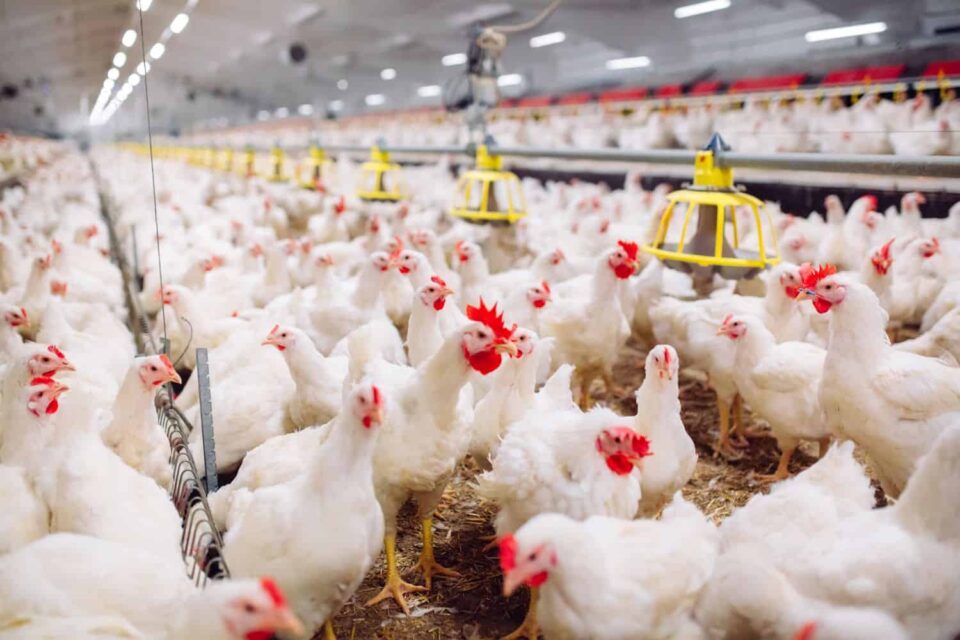
Egypt’s poultry industry is entering a new phase of growth following the resumption of exports to Qatar after nearly 20 years. The development signals a significant recovery for a sector that has spent years rebuilding after disease outbreaks and market disruptions.
The return to export markets reflects improvements in production efficiency, stronger regulatory compliance, and enhanced biosecurity systems. With output now exceeding domestic demand, the industry is increasingly looking to regional markets to absorb surplus production and maintain price stability.
Export milestone signals recovery
The first shipment to Qatar—around 300 tonnes of poultry packed into 10 containers—marks a turning point for Egypt’s poultry trade. Exports had been halted for nearly two decades due to the impact of avian influenza, which disrupted production and restricted access to international markets.
The resumption of trade demonstrates that Egyptian producers are now meeting international health and safety standards. Improved farm management practices and stricter disease control measures have played a key role in restoring confidence in the sector.
Managing surplus production
A major driver behind the export push is the sharp increase in domestic poultry production. While this growth reflects improved capacity and investment, it has also resulted in oversupply in the local market.
Exports provide a practical solution by:
- Absorbing excess production
- Supporting stable farmgate prices
- Protecting producer profitability
Without access to external markets, surplus production could place financial pressure on farmers and disrupt the value chain.
Expanding regional trade opportunities
Industry stakeholders are already exploring additional export destinations across the Gulf region. Talks are underway with countries such as Kuwait to open new trade channels and diversify export markets.
There is also growing interest in expanding exports beyond poultry meat to include table eggs, building on earlier progress in re-entering regional egg markets. Broadening the export basket will help strengthen resilience and reduce dependence on a single market.
Public-private collaboration drives progress
The recovery of Egypt’s poultry sector has been supported by close cooperation between government authorities and private producers. Regulatory bodies have worked to ensure compliance with international standards, while industry players have invested in upgrading production systems.
In parallel, measures have been introduced to balance the domestic market, including agreements to supply frozen poultry locally and reduce reliance on imports. This coordinated approach helps stabilise both local and export markets.
Economic impact and future outlook
The revival of poultry exports carries wider economic benefits. It supports job creation across the value chain—from feed production and farming to processing and logistics—while also contributing to foreign exchange earnings.
For Sub-Saharan Africa, Egypt’s progress offers a valuable example of how investment in biosecurity, production efficiency and market access can reposition a poultry sector for export growth.
Sustaining this momentum will depend on continued focus on disease control, quality assurance and market diversification. If maintained, Egypt’s poultry industry is well positioned to strengthen its role as a competitive regional exporter.