

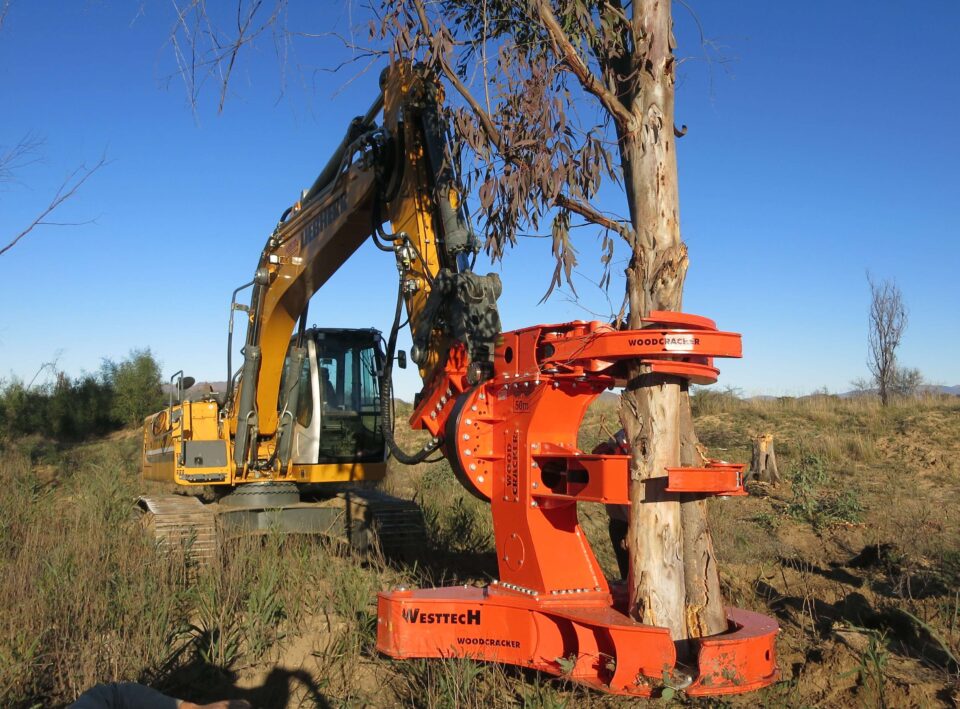
Forestry waste is one of the most valuable yet often overlooked biomass resources in both agriculture and forestry systems. It includes branches, bark, leaves, twigs, and other organic residues generated during logging operations, plantation thinning, and forest management. When properly processed, this material can play a major role in improving agricultural sustainability, restoring soil health, and supporting renewable energy production.
ABC recognises the value of converting forestry waste into useful agricultural and energy resources. Through efficient processing methods, ABC helps unlock the potential of this abundant material, contributing to cleaner production systems and more resilient agricultural landscapes.
Reducing Environmental Impact
If left unmanaged, forestry residues can create serious environmental challenges. As they decompose, they release greenhouse gases such as methane and carbon dioxide, which contribute to climate change. Accumulated waste can also increase the risk of pests, diseases, and wildfires—especially in plantation and farming areas.
By processing this waste into usable products like biomass fuel, compost, or mulch, these risks are significantly reduced. This approach lowers emissions, improves land cleanliness, and supports more environmentally responsible farming and forestry practices.
Promoting Better Land and Forest Management
Proper forestry waste processing supports healthier and more sustainable land management systems. Techniques such as chipping, mulching, and pelletising help reduce excess plant material, lowering fire risks and improving plantation safety.
In agriculture, these processed materials can be returned to the soil as organic matter. This improves soil structure, increases moisture retention, reduces erosion, and enhances long-term soil fertility—benefits that directly support crop productivity.
Supporting a Circular Agricultural Economy
Modern agriculture is increasingly moving toward circular systems, where waste is reused as a resource. Forestry waste fits perfectly into this model by being converted into valuable agricultural inputs.
Processed biomass can be used in several ways, including:
- Improving soil health through organic mulch and compost
- Providing clean and sustainable livestock bedding
- Serving as renewable energy feedstock
- Supporting nutrient recycling in farming systems
ABC’s expertise in processing different biomass materials ensures that forestry residues are efficiently transformed into practical, usable products that benefit multiple sectors.
Conclusion
Processing forestry waste is a key step toward building more sustainable agriculture and forestry systems. By turning residues into valuable resources, it is possible to reduce environmental harm, improve soil health, and support renewable energy solutions.
ABC remains committed to advancing biomass processing technologies that strengthen agricultural productivity while protecting the environment. As sustainability becomes increasingly important, forestry waste will continue to play a vital role in shaping a cleaner and more efficient agricultural future.