

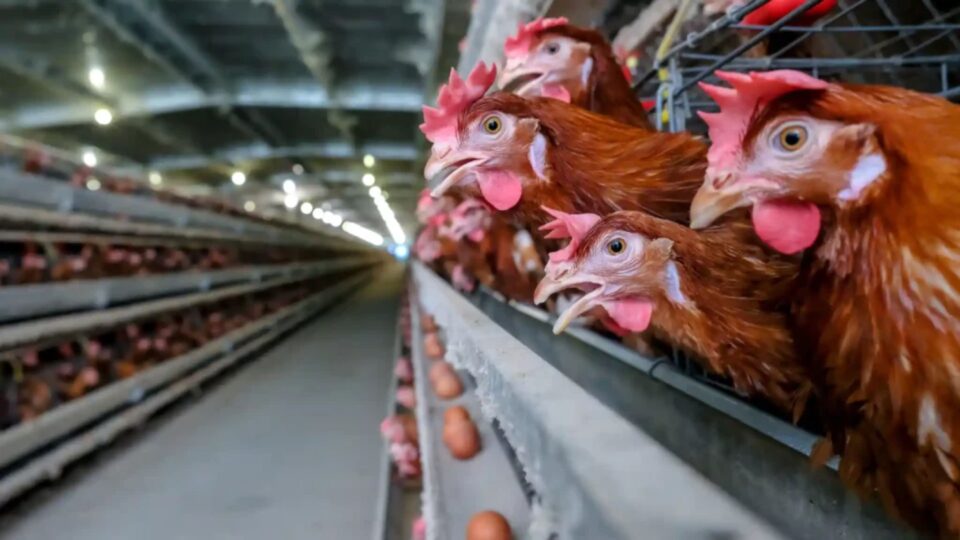
Nigeria’s poultry industry has emerged as one of the most dynamic and profitable segments of the country’s agricultural economy, contributing an impressive 25% to agricultural GDP. Beyond serving as a major source of food, it functions as a powerful engine for employment, rural development, and national food security.
Over the past few decades, poultry farming in Nigeria has transformed from small-scale backyard operations into a modern agribusiness sector supporting millions of livelihoods. Today, poultry enterprises thrive across both urban and rural areas, supplying affordable protein while creating jobs across the entire value chain — from hatchery operations and feed production to egg and meat processing.
A Major Employer and Economic Driver
The poultry sector directly and indirectly employs over 25 million Nigerians, representing nearly 10% of the country’s population. This growth has positioned Nigeria as one of Africa’s largest producers of poultry products and the continent’s top egg producer. The industry’s remarkable progress reflects both the resilience of local farmers and strong consumer demand for eggs and poultry meat. Beyond food production, poultry empowers youth and women in agribusiness, generates rural income, and contributes to broader economic stability.
Challenges Hindering Growth
Despite its successes, the industry faces persistent challenges that constrain profitability and expansion. One of the most pressing issues is the high cost of poultry feed, which accounts for nearly 70% of total production expenses. Price fluctuations in key ingredients such as maize and soybeans frequently squeeze profit margins. Smallholder producers, who make up a large share of the sector, are particularly vulnerable, as they often lack the capacity to produce their own feed or benefit from government price stabilization programs.
Access to affordable financing also remains limited. Many poultry farmers struggle to secure low-interest loans needed to modernize facilities or scale up operations. Inadequate storage infrastructure, poor transportation networks, and limited veterinary services further contribute to inefficiencies and post-production losses. According to industry experts, a farmer typically needs at least 8,000 laying hens to operate profitably — a scale still out of reach for many small producers.
Eggs: A Cornerstone of Nutrition and Food Security
Despite these challenges, poultry products — particularly eggs — remain among Nigeria’s most affordable and reliable sources of protein. Rich in vitamins A, B12, and E, as well as high-quality protein, eggs are a dietary staple for households across the country. Nutrition experts highlight egg consumption as a key strategy in combating malnutrition, especially among children and pregnant women. Integrating eggs into daily nutrition programs therefore offers both health and economic benefits.
The Way Forward: Building a Stronger Poultry Sector
Unlocking the full potential of Nigeria’s poultry industry requires a combination of policy support, innovation, and collaboration. Key recommendations include expanding access to affordable credit to help farmers upgrade operations, promoting cooperative feed production to lower costs and enhance competitiveness, and integrating poultry products into school feeding and institutional programs to create stable markets while improving child nutrition. Strengthening biosecurity and veterinary support is also critical to enhance productivity and reduce losses.
By addressing these structural challenges, Nigeria has the opportunity to transform its poultry industry into a regional powerhouse, ensuring food security, creating sustainable jobs, and supporting rural economic growth.
A Growing Force for National Development
With its vast potential, the poultry sector stands out as a cornerstone of Nigeria’s agricultural transformation. It continues to provide affordable protein, generate income, and empower millions — demonstrating that, with the right policies and partnerships, this industry can play a central role in driving the nation toward greater food security and economic resilience.