

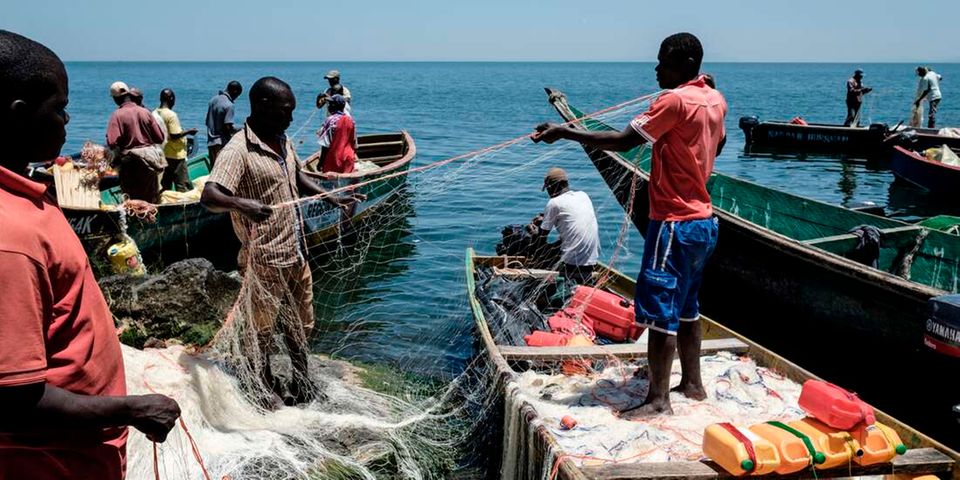
Kenya has launched a series of youth-driven aquaculture programmes aimed at transforming its fisheries sector and addressing an annual fish shortfall of approximately 450,000 metric tonnes.
The initiatives—Young Fish Kenya, Girls in Aquaculture Kenya, and the AgriGrowth/eSamakiDigital platform—were introduced in Kisumu by the Aquaculture Consortium (TAC) in partnership with the Norwegian Agency for Development Cooperation. The launch took place during the “From Fish Deficit to Aquaculture Powerhouse” conference.
Designed to attract young people and women into the industry, the programmes combine training, digital innovation, and access to financing to unlock growth in aquaculture.
TAC Chief Executive Officer Felix Osok said the initiative targets both students and out-of-school youth, with a strong focus on empowering young women. He highlighted the sector’s potential, estimated at $1 billion, and emphasized the goal of positioning Kenya as a leading fish producer in Africa.
“Our vision is to shift Kenya from a fish deficit to a fish powerhouse on the continent,” Osok noted, adding that the country is looking to emulate best practices from Norway, a global leader in aquaculture.
However, challenges remain. The sector is currently hindered by fragmentation, limited investment, and restricted access to technology—especially among small-scale farmers who produce about 80 percent of the country’s fish supply. Addressing these gaps through digital platforms, knowledge-sharing, and increased financing will be key to scaling production.
The Kenya Marine and Fisheries Research Institute (KMFRI), a participant in the conference, underscored the importance of partnerships and innovation in building sustainable aquaculture systems. The institute noted that the initiative builds on ongoing collaboration with JumboFish Farm and Norec, focusing on youth inclusion and gender equity in the sector.
KMFRI CEO Dr Paul Orina stressed the need for science-driven strategies to guide the industry’s growth. He highlighted the importance of aligning research with industry needs to develop aquaculture into a scalable and commercially viable sector.
The conference brought together stakeholders from government, academia, the private sector, and development partners—including representatives from Norway—to explore ways of expanding Kenya’s aquaculture capacity.
Representing the Ministry of Blue Economy and Fisheries, Dr Sam Kidera outlined government priorities, including strengthening collaboration and leveraging opportunities within the blue economy.
In remarks delivered on behalf of Principal Secretary Betsy Njagi, the government reaffirmed its commitment to policy reforms and increased investment. Currently, the fisheries sector contributes about 0.7 percent to Kenya’s GDP, with projections to reach 1 percent by 2027.
Despite producing 168,000 metric tonnes of fish worth Sh39.6 billion in 2024, national output still falls short of demand—underscoring the urgency for structural reforms.
To accelerate growth, the government has approved over Sh30 billion in investments and is promoting insurance solutions to reduce risks for fish farmers. Meanwhile, Norway continues to support the sector through mentorship programmes linking Kenyan and Norwegian aquaculture experts.
Stakeholders, including the Lake Victoria Aquaculture Association, emphasized the importance of innovation, skills development, and stronger collaboration to position Kenya as a competitive aquaculture hub in Africa.