

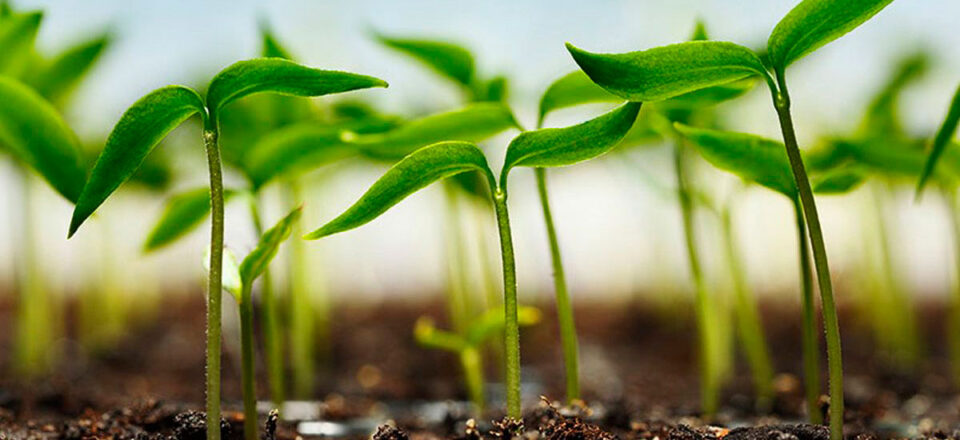
With farmers facing intensifying pressure from climate variability, declining soil health, and rising production costs, biostimulants are increasingly recognised as a key tool for building a more resilient agricultural sector in South Africa. According to the South Africa Biostimulants Market Report, the local market is projected to expand at a compound annual growth rate of 5% between 2023 and 2029, supported by growing research investment and the rapid diversification of product offerings.
Venessa Moodley, Biologicals Lead at Omnia Agriculture, explains that today’s biostimulant landscape is dominated by seaweed extracts, amino acids, and humic and fulvic acids. These products have gained the strongest foothold in high-value crops—particularly vineyards, orchards, and other permanent crops—where producers are more willing to invest in specialised inputs and where biostimulants integrate easily into established application systems.
While adoption has been slower in dryland grain production, demand is now steadily rising as prices become more accessible. “Farmers are beginning to adjust their practices, such as applying biostimulants at planting,” says Moodley. “However, access to biological crop protection products remains a challenge, largely due to inconsistent efficacy, high registration costs, and lengthy approval timelines.”
Healthier Plants Begin With Healthier Soils
Biostimulants are natural compounds or microorganisms applied to crops to enhance nutrient-use efficiency, improve stress tolerance, and boost crop quality—regardless of their nutrient content. “Fertilizers provide essential nutrients,” Moodley notes, “but biostimulants strengthen the plant’s natural resilience mechanisms and optimise biological processes.”
By promoting biological activity around the roots and strengthening a plant’s natural defence pathways, biostimulants can improve root development, nutrient absorption, photosynthesis, and overall plant vigour. The result is stronger growth, higher yields, and improved quality.
Their role in climate resilience is equally significant. Seaweed extracts, for example, act as osmoprotectants, helping plants retain moisture and maintain cellular balance during drought. Many biostimulants also boost natural antioxidant activity, helping crops neutralise oxidative stress caused by heatwaves and water shortages.
In the case of biotic stress—such as pests and diseases—certain biostimulants prime the plant’s defense systems by activating Induced Systemic Resistance (ISR) and Acquired Systemic Resistance (SAR). This “priming effect” equips plants to respond more rapidly and effectively to attacks, similar to a natural vaccination.
Barriers Slowing Adoption
Because many biostimulants are biological in nature, their performance can vary depending on environmental conditions, timing, and correct application. Moodley warns that inconsistent results often stem from improper use or a lack of product understanding. “Growers need more support in terms of knowledge transfer—how to apply them, what to expect, and what their limitations are.”
Another concern is the surge of low-quality products on the market, many with little to no scientific validation. These products erode trust and slow adoption. Compatibility challenges also persist, with some biostimulants requiring new equipment or changes to existing farming practices, raising the barrier for commercial growers.
Moodley stresses that clearer regulatory guidelines can help solve these issues. “Effective categorisation standards, scientifically validated efficacy trials, and more efficient, affordable registration processes are essential to building industry confidence and broadening adoption.”
A Catalyst for Export Competitiveness and Sustainable Farming
Biostimulants are poised to play an increasingly important role in South Africa’s agricultural export strategy. Global markets—especially the European Union—are tightening standards related to sustainability, residue limits, carbon footprint, and supply chain traceability. Biostimulants, when used as part of an integrated sustainable production system, can help reduce reliance on heavy agrochemical inputs while supporting high yields and premium-quality produce.
“Biostimulants support climate-resilient agriculture,” Moodley says. “They help farmers continue producing high-yielding, high-quality crops under unpredictable environmental conditions. As South Africa works to remain competitive in global markets, these tools will be central to building a more sustainable, greener future for agriculture.”