



Sakata’s founder, Takeo Sakata, established the Sakata Seed Corporation of Yokohama, Japan, in 1913, producing high quality seeds for Japan’s commercial market. More than a century later, Sakata has grown into one of the largest seed companies in the world, with extensive global research programmes in both vegetable and flower seeds. Throughout its history, Sakata remains true to its core values of Quality, Reliability and Service – values that continue to define the company’s relationship with growers across the globe.
Today, the Sakata brand reaches over 170 countries, offering innovative seed varieties to improve productivity, resilience and profitability. Sakata’s global mission is clear: to create innovative varieties that contribute to agricultural prosperity and food security worldwide.
Sakata operates 20 research stations across the world, each strategically located to meet the specific needs of regional markets. This network enables Sakata to address diverse environmental conditions, while also considering important market preferences such as taste, colour and texture.
While Sakata works on a global scale, the company’s approach remains firmly rooted in local collaboration. By understanding the unique challenges faced by farmers in different regions, Sakata ensures that every new variety is not only scientifically advanced but also practically suited to the farmers and consumers it serves.
Seed production takes place at carefully managed sites across multiple continents. Sakata’s seed production teams apply a scientific and responsible approach to every stage of seed development — ensuring exceptional quality, purity and reliability. This dedication helps secure consistent seed availability, even in challenging seasons.
In Southern and East Africa, Sakata is playing a key role in the transformation from open pollinated (OP) to F1 hybrid seed markets. As technology in agriculture is moving forward, African farmers are increasingly seeking high quality seed that delivers consistent results — and Sakata is helping make that transition possible.
Farmers across Africa are seeing remarkable improvements when switching from traditional OP varieties to Sakata F1 hybrids:
- Stronger disease resistance:
F1 hybrid varieties are bred for resilience, with built-in resistance to many common crop diseases. This reduces losses, minimises chemical inputs and leads to healthier, more sustainable crops. - Higher yields:
Hybrids are developed for vigour and strong root systems, producing uniform plants with superior yield potential. Farmers can harvest more per hectare, increasing profitability even on smaller plots. - Longer shelf life:
Many Sakata hybrids are bred for improved firmness and shelf life. This allows produce to stay fresher for longer, reducing post-harvest losses and opening access to distant markets through extended transport options.
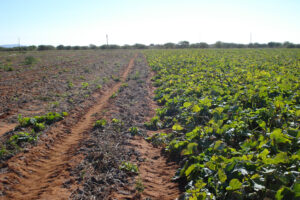
The main vegetable crops grown in Africa — cabbage, tomato and onion — benefit greatly from these advancements. Sakata’s continuous investment in breeding, technical support, and farmer training ensures that African growers can access varieties that thrive under local conditions while meeting market expectations.
Sakata is also deeply committed to supporting the future of agriculture in Africa through initiatives that strengthen nutrition, food security and sustainability.
- Improving nutrition:
High quality vegetable seeds empower farmers to grow nutrient-rich crops that contribute to healthier diets. For example, tomatoes high in lycopene, carrots rich in beta-carotene and peppers packed with vitamins provide valuable nutrition for families and communities across the continent. - Enhancing food security:
Reliable varieties with high yield potential, improved disease resistance and extended shelf life contribute to stable food production. This helps communities maintain access to fresh, nutritious food all year round. - Promoting sustainability:
By encouraging the use of resilient F1 hybrids and providing training on modern, farming practices, Sakata helps farmers protect natural resources and build long-term agricultural resilience.
Building on more than 110 years of innovation, Sakata continues to serve as a trusted partner to growers throughout Southern and East Africa. Through science, dedication and local collaboration, Sakata is not only growing seeds — it’s growing a sustainable future for African agriculture.