

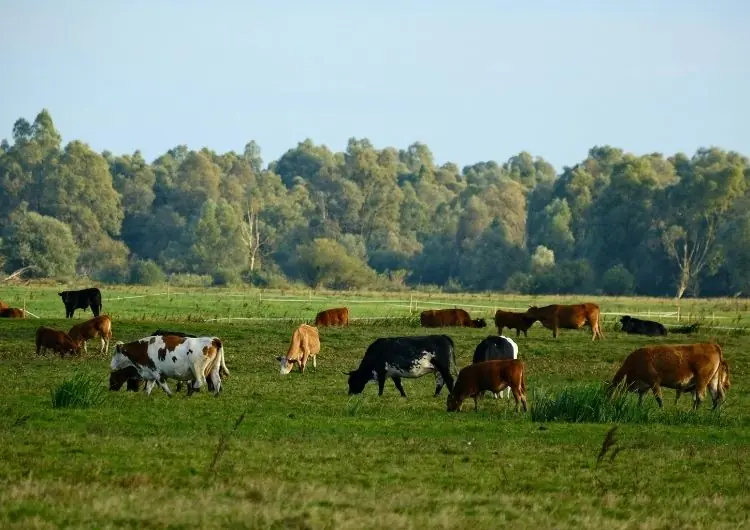
Livestock remains a cornerstone of South Africa’s agricultural economy, supplying meat, milk, wool and other valuable products while supporting thousands of farming businesses. As producers face rising input costs, climate pressures and increasing consumer expectations, effective livestock management has become more important than ever.
Maintaining healthy animals is fundamental to improving productivity, profitability and long-term sustainability. Healthy livestock grow faster, reproduce more efficiently and produce higher-quality meat, milk and fibre, directly influencing farm performance and returns.
Successful livestock management begins with prevention rather than treatment. A proactive animal health programme helps minimise disease outbreaks, reduce production losses and improve overall herd performance.
Key components of an effective health management programme include:
- Routine health monitoring to detect illness, injury or stress before problems escalate.
- Vaccination programmes tailored to regional disease risks, including foot-and-mouth disease, lumpy skin disease and heartwater.
- Parasite control through regular deworming and tick management.
- Balanced nutrition with appropriate feed, mineral supplementation and continuous access to clean water.
- Good hygiene and waste management to reduce disease pressure and maintain healthy production environments.
- Biosecurity measures that restrict unnecessary animal movement and minimise the introduction of infectious diseases.
Working closely with a qualified veterinarian allows producers to develop herd health plans that address disease prevention, reproductive management and emergency response protocols.
Daily observation is equally important. Monitoring appetite, body condition, weight gain, behaviour and production performance enables farmers to identify health issues early, allowing prompt intervention before they affect productivity.
Accurate record-keeping also plays a critical role by supporting disease surveillance, treatment histories, breeding decisions and product traceability, while helping producers meet food safety and market requirements.
By prioritising animal health and welfare, South African livestock farmers can improve production efficiency, reduce veterinary costs, strengthen biosecurity and build more resilient, profitable farming enterprises.