

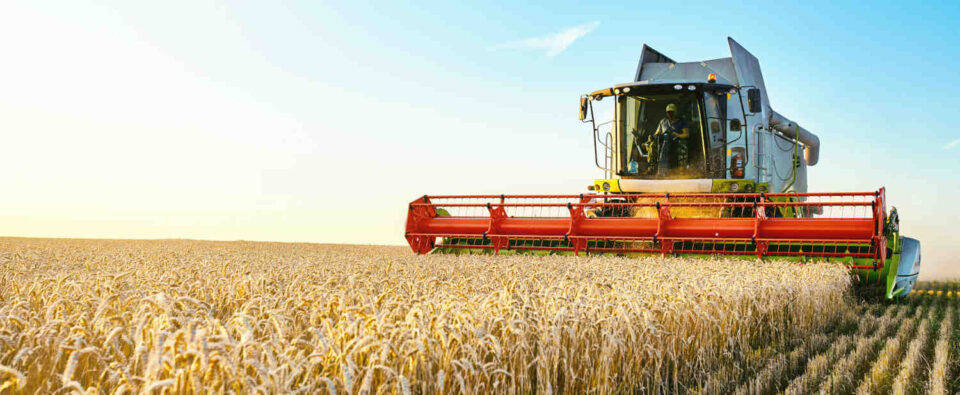
Ethiopia has emerged as Africa’s leading wheat producer, marking a significant milestone in the continent’s agricultural landscape. The achievement reflects years of focused policy direction, increased investment in farming systems, and a strategic shift toward irrigated wheat production. Government officials say this progress is not only boosting national output but also reducing the country’s reliance on costly wheat imports.
The announcement was made by Agriculture State Minister Eyasu Elias during a high-level meeting in Addis Ababa celebrating 20 years of the Alliance for a Green Revolution in Africa (AGRA). While Ethiopia has long held its position as Africa’s top coffee producer and exporter, the minister emphasized that wheat production has seen the most remarkable growth in recent years.
According to Eyasu, this success is rooted in strong government backing, consistent funding, and clear agricultural policies. Since Abiy Ahmed took office, there has been a deliberate push to expand irrigated farming, particularly for wheat. This approach has enabled farmers to increase yields, improve productivity, and stabilize production despite climate challenges. As a result, Ethiopia has significantly strengthened its food security while easing pressure on foreign exchange previously used for grain imports.
A key factor behind this transformation has been the adoption of climate-friendly irrigation systems, which allow farmers to grow wheat more reliably throughout the year. “The results are visible,” Eyasu noted, pointing to Ethiopia’s rise to the top position in wheat production across Africa. The shift toward irrigation has proven especially critical in mitigating the effects of erratic rainfall and changing weather patterns.
Ethiopia’s wheat success also aligns closely with the broader goals of AGRA, which focuses on improving seed quality, increasing yields, strengthening market access, and building resilient agricultural systems. Through its partnerships, AGRA has supported the development of value chains not only for wheat, but also for key crops such as oilseeds, rice, and sorghum. The organization has also contributed to strengthening agricultural policies and institutional frameworks across the country.
AGRA Board Chairman Hailemariam Dessalegn подчеркed that Africa’s economic growth is deeply tied to the success of its agricultural sector. He highlighted Ethiopia as a prime example, where agriculture contributes more than 30 percent of the country’s GDP, employs the majority of the population, and remains a major driver of export earnings.
Meanwhile, AGRA President Alice Ruhweza stressed the importance of continued collaboration between governments, private sector players, and development partners. She noted that strengthening systems—from policy and research to innovation and markets—is essential for agriculture to deliver sustainable results for smallholder farmers and agribusinesses.
Ethiopia’s rise in wheat production comes at a time when many African nations are working to reduce dependence on imported grains and build stronger domestic food systems. The country’s progress demonstrates how targeted policies, irrigation investment, and coordinated support can significantly boost agricultural output. Beyond improving food security, these gains also have a direct impact on industries such as milling, creating opportunities for economic growth across the value chain.
Ultimately, Ethiopia’s success story offers a practical blueprint for other countries across the continent. By prioritizing innovation, investing in farmers, and strengthening agricultural systems, nations can unlock the full potential of their farming sectors and build more resilient, self-sufficient food economies.