

South Africa’s agricultural sector has experienced a challenging start to 2026, with livestock disease outbreaks, rising production costs, and global geopolitical tensions weighing heavily on farmers and agribusinesses. According to the Agricultural Business Chamber of South Africa, the first quarter of the year reflected a mixed performance, with some positive developments overshadowed by significant structural pressures.
One of the most serious ongoing challenges is the spread of Foot-and-Mouth Disease (FMD), which continues to disrupt livestock production and limit export opportunities. Agbiz chief economist Wandile Sihlobo noted that the situation escalated after the government expanded vaccination efforts across the national herd. While vaccination campaigns are now gaining momentum in several regions, he emphasized that the sector is still under strain due to the scale of infections and the continued need for vaccine imports.
The impact of FMD has been compounded by restrictions in key export markets, with several countries limiting imports of South African livestock products. Although some trade continues to the Middle East, uncertainty in the region has made this channel less stable. In addition, the spread of African swine fever—an incurable livestock disease—has placed further pressure on the industry, increasing losses and complicating containment efforts.
External factors are also adding to the cost burden on farmers. Rising fuel prices remain a major concern, as fuel accounts for roughly 13% of production costs. These increases are expected to have a significant impact during the current harvesting season, particularly in high-input sectors such as citrus farming. Fertiliser costs have also risen due to geopolitical tensions affecting supply chains, especially in regions critical for nitrogen production.
Despite these challenges, there have been some encouraging developments. The temporary renewal of the African Growth and Opportunity Act (AGOA) has helped maintain preferential access for South African agricultural exports to the United States. This has supported competitiveness in key export categories such as citrus, nuts, and juice products, which benefit from reduced or zero tariffs.
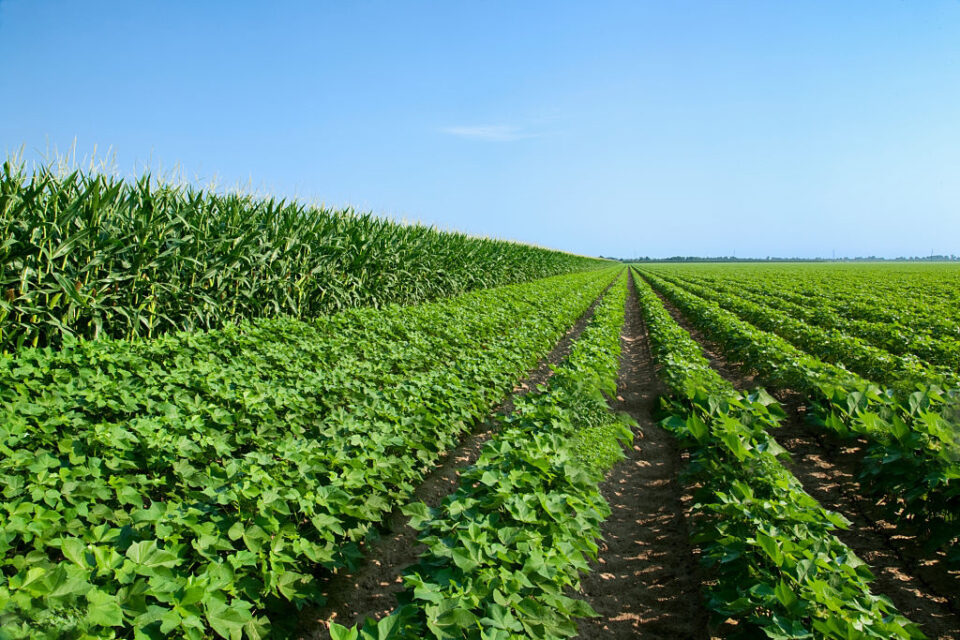
Sihlobo also highlighted that South Africa’s grain sector remains relatively stable. The Crop Estimates Committee recently projected a grain harvest of around 20 million tonnes—slightly below last season but still one of the strongest on record. This indicates that, despite ongoing pressures, the country continues to maintain strong domestic food supplies.
Overall, while the sector is under strain from disease outbreaks, rising costs, and global uncertainties, South Africa’s agriculture industry remains resilient. However, sustained recovery will depend on effective disease control, stable input costs, and continued access to international markets.