

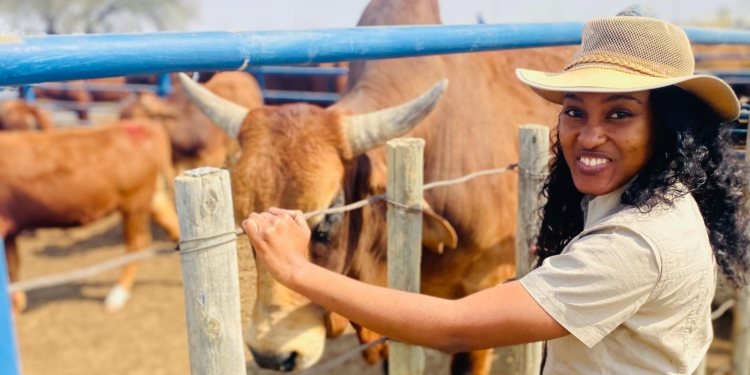
The Tanzanian government has pledged to strengthen the country’s livestock sector through improved animal breeds, disease control, water infrastructure and expanded market opportunities as part of efforts to increase productivity and support the country’s Development Vision 2050.
Deputy Minister for Livestock and Fisheries, Ng’wasi Damas Kamani, said the ministry’s priority is to help livestock keepers produce for the market while improving efficiency throughout the value chain.
Speaking during the Nanenane Agricultural Exhibitions in Dodoma, Kamani said the government’s agenda is guided by the theme, “Know the Market, Increase Productivity, Implement Vision 2050.”
The ministry has allocated nearly TZS400 billion for the 2026/27 financial year to implement programmes aimed at transforming the livestock sector, he said.
Priority areas include improving livestock breeds, expanding access to livestock dipping facilities, increasing water infrastructure, strengthening animal health services and implementing a nationwide livestock vaccination programme.
Kamani said the government is also working to expand domestic and international markets while attracting private-sector investment to increase the livestock sector’s contribution to the national economy.
Technology and knowledge transfer
This year’s Nanenane Exhibitions have brought together more than 1 200 exhibitors, showcasing products, services and technologies across the agriculture, livestock and fisheries sectors. The event is also attracting more than 10 000 visitors daily, according to Kamani.
He said the exhibitions provide an important platform for demonstrating modern livestock production technologies that can help farmers improve productivity and profitability.
The event also enables livestock keepers, extension officers and researchers to exchange knowledge and promote the adoption of innovations developed by research institutions.
Kamani stressed that research should translate into practical solutions for farmers rather than remain within laboratories.
“Our goal is to ensure that research findings reach livestock keepers and are translated into practical technologies that improve production and livelihoods,” he said.
The government’s approach therefore combines improved genetics, animal health, infrastructure, technology adoption and market access in an effort to build a more productive and commercially sustainable livestock sector.