

Kenyan scientists are investigating the potential of garlic as a natural feed additive that could help poultry farmers improve broiler performance while reducing reliance on antibiotics. The research comes at a time when producers are facing rising feed costs, recurring disease challenges, and increasing pressure to adopt safer and more sustainable farming practices.
The study, being conducted at Jomo Kenyatta University of Agriculture and Technology (JKUAT), focuses on allicin, a bioactive compound found in garlic that is known for its antimicrobial and antioxidant properties. Researchers are evaluating its effectiveness in Ross 308 broiler chickens under Kenya’s tropical production conditions to determine whether it can enhance growth, health, and feed efficiency.
For many years, antibiotics have been widely used in poultry production to promote growth and prevent disease. However, growing concerns over antimicrobial resistance have prompted researchers worldwide to search for natural alternatives that can deliver similar benefits without contributing to the global health risks associated with excessive antibiotic use.
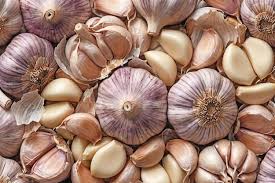
Garlic has emerged as one of the most promising candidates. When garlic cloves are crushed or chopped, they release allicin, a compound that has demonstrated antibacterial, antifungal, and immune-boosting properties. Scientists believe these characteristics could help strengthen poultry health, improve digestion, and enhance nutrient absorption, ultimately leading to better growth performance.
Early observations from the ongoing study suggest that broilers receiving garlic-based supplementation are showing improved feed utilisation and overall performance compared to birds on conventional feeding programmes. Researchers have also reported positive effects on gut health, which plays a critical role in nutrient absorption and disease resistance.
The findings could be particularly significant for Kenya’s smallholder and medium-scale poultry farmers, who often face challenges such as high feed prices, limited access to veterinary services, and disease-related losses. A locally available feed additive such as garlic could offer a cost-effective way to improve flock health while reducing expenditure on medications and treatments.
The Kenyan research forms part of a broader global movement towards natural growth promoters in poultry production. Around the world, scientists are exploring the use of herbs, plant extracts, essential oils, and other natural compounds as sustainable alternatives to conventional feed additives. By generating locally relevant data, the study could help support the adoption of practical feeding solutions suited to African production systems.
Although the research is still ongoing, the preliminary results are encouraging. Scientists caution that further work is required to determine optimal inclusion rates and feeding strategies before garlic-based supplements can be recommended for widespread commercial use.
If the trials continue to produce positive results, garlic could become an important tool for improving poultry productivity in Kenya and beyond. The approach offers the potential to enhance bird performance, lower production costs, and support consumer demand for poultry products produced with fewer synthetic antibiotics. As Africa’s poultry industry continues to expand, innovations such as these could play a valuable role in building a more sustainable and resilient sector.