

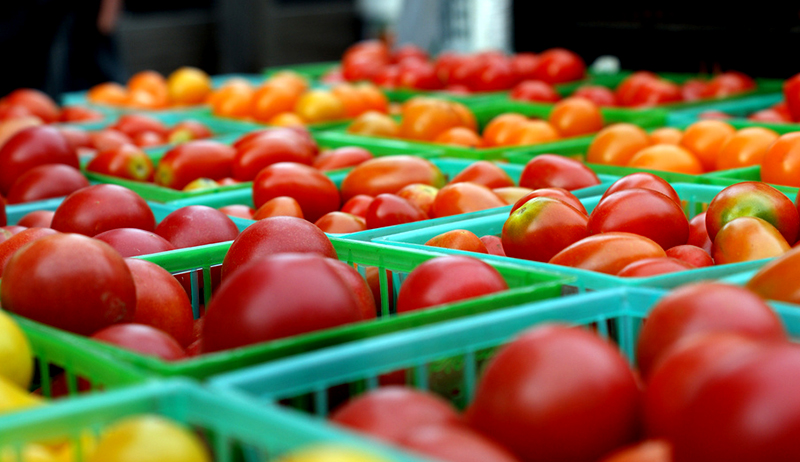
A nationwide shortage of tomatoes in Zimbabwe is creating valuable market opportunities for smallholder farmers, with community producers in Rushinga District benefiting from increased demand and significantly higher prices.
The surge in tomato prices has created a favourable market for growers, enabling many farming households to sell their produce quickly while earning improved returns. The development highlights the importance of market-driven production and demonstrates how organised community farming initiatives can respond to changing consumer demand.
Among the beneficiaries is the Chipamuriwo Village Business Unit (VBU) in Ward 2 of Rushinga District, where farmers have successfully marketed their tomato harvests during the current supply shortage.
According to Mr. Chirema, Chairperson of the Village Business Unit, the strong demand has enabled farmers to sell their entire harvest while generating additional income that will be reinvested into future production.
He explained that the improved prices have strengthened household incomes and provided farmers with greater confidence as they prepare for the next cropping season.
The success of the initiative has been attributed to close collaboration between farmers, Agricultural Business Advisory Officers and relevant government departments, whose technical support has helped improve production practices and market readiness.
Agricultural specialists believe the current shortage has resulted from seasonal production gaps and lower output from some of the country’s major tomato-producing regions. They are encouraging more community gardens and Village Business Units to invest in irrigation systems and adopt improved crop management practices that enable year-round production.
Expanding irrigated horticulture would allow farmers to take advantage of future market opportunities while helping stabilise tomato supplies and reducing seasonal price fluctuations.
The increase in tomato prices has also been felt across Zimbabwe, with consumers paying significantly more for fresh produce while traders continue to report strong demand despite higher prices.
Looking ahead, the Chipamuriwo Village Business Unit plans to expand tomato production to maintain supplies beyond the current season and strengthen its position in the horticultural market.
Members of the group expressed appreciation for the continued support provided by Agricultural Business Advisory Officers, noting that technical guidance has played an important role in improving production and opening access to larger markets.
The experience demonstrates how organised smallholder farmers can benefit from market opportunities when supported by extension services, improved production practices and reliable irrigation infrastructure.
Across Africa, strengthening community-based horticulture, expanding irrigation and improving market access remain critical to enhancing food security, creating rural employment and increasing incomes for small-scale farmers. By investing in climate-smart production systems and value chain development, farming communities can build greater resilience while supplying growing domestic and regional markets with fresh produce.