

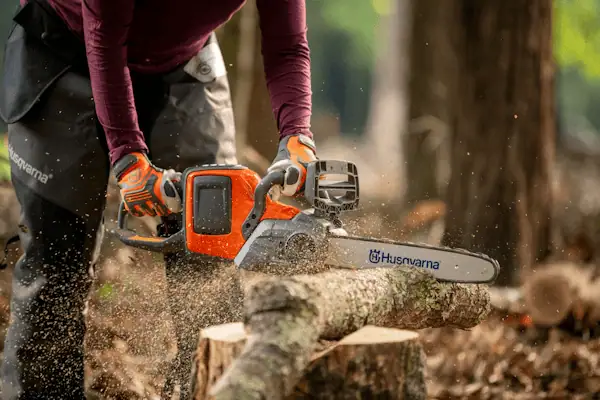
As battery-powered outdoor tools continue to improve and compete with traditional petrol equipment, buyers are faced with more choices than ever. While the upfront purchase price often gets the most attention, it tells only part of the story. According to Brad Barthorpe of Husqvarna, the more important question is what the tool will cost over its entire lifespan.
The initial purchase price can sometimes be higher for battery-powered tools compared to petrol alternatives. However, this does not necessarily mean they are more expensive in the long run. The true cost of ownership includes ongoing expenses such as energy use, maintenance, time efficiency, and overall convenience—factors that can significantly influence long-term value.
One of the main advantages of battery-powered tools is their predictable running costs. Unlike petrol-powered equipment, which is subject to fluctuating fuel prices, battery tools rely on electricity, making it easier to estimate and manage expenses over time. This predictability benefits both homeowners managing household budgets and professionals who need to control operating costs and provide accurate quotes.
Maintenance is another area where battery tools often offer savings. With fewer moving parts and no need for fuel systems, oil changes, or spark plugs, these tools typically require less servicing. This can lead to lower maintenance costs, reduced downtime, and fewer disruptions during critical work periods. Over time, the combination of lower upkeep and less time spent on repairs can result in meaningful financial and operational benefits.
Ease of use also contributes to overall cost efficiency. Battery-powered tools are designed for convenience, with no need for fuel mixing, pull-start mechanisms, or warm-up periods. This simplicity reduces preparation time and allows users to move quickly between tasks. Whether for quick home use or full-day professional work, less downtime translates into better productivity and smoother workflows.
Storage and handling further enhance their practicality. Battery tools are generally lighter and more compact, making them easier to store and transport. For homeowners, this means less space is required, while professionals benefit from more organised and efficient equipment management.
Another important factor is the shared battery system. Many manufacturers design their tools so that one battery can be used across multiple devices within the same range—such as trimmers, blowers, and chainsaws. This reduces the need to purchase additional batteries and chargers, lowering both initial and ongoing costs. It also simplifies tool management and increases flexibility across different tasks.
Ultimately, the real expenses of owning a battery-powered outdoor tool extend beyond the purchase price. When factoring in lower running costs, reduced maintenance, improved efficiency, and the benefits of shared battery systems, the total cost of ownership can be more favourable than it first appears. For users seeking convenience, predictability, and long-term value, battery-powered equipment presents a strong and practical option when matched to the right application and properly maintained.