

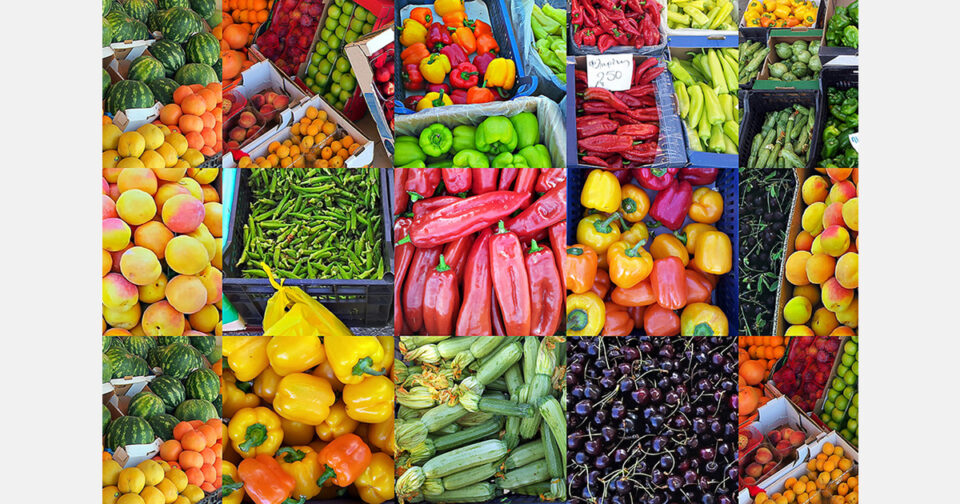
Rising trade restrictions within Southern Africa are threatening the foundations of regional economic integration, particularly within the Southern African Customs Union (SACU). Recent measures introduced by Namibia, Botswana and Mozambique have targeted agricultural imports from South Africa, raising concerns about the future of free trade in the region.
At the core of SACU is the principle of free movement of goods among member states. These recent restrictions—particularly on vegetables and other agricultural products—stand in direct contradiction to that principle. They also undermine broader continental commitments under the African Continental Free Trade Area (AfCFTA), which aims to eliminate trade barriers across Africa by 2030.
While governments often justify such measures as part of efforts to strengthen domestic agricultural sectors and improve food security, the unilateral imposition of import restrictions risks damaging regional cooperation. Within a customs union, protective policies that favour local producers at the expense of partners weaken both trust and economic alignment.
These developments come at a time when SACU’s relevance is already under scrutiny. The bloc has, in some instances, limited South Africa’s ability to pursue independent bilateral trade agreements that could expand export opportunities and support job creation. Continued trade friction may further erode confidence in the union’s ability to serve shared economic interests in an evolving global trade environment.
Agriculture in Southern Africa is highly interconnected, with supply chains and production systems spanning borders. Disruptions to this ecosystem can have wider implications, including reduced efficiency, higher costs, and strained diplomatic relations. Notably, SACU rules do allow for trade restrictions under specific conditions—such as national security concerns or outbreaks of plant and animal diseases—but recent measures appear to be driven largely by domestic policy objectives rather than such exceptions.
A more sustainable path forward lies in coordination rather than restriction. Strengthening regional value chains, improving productivity, and supporting farmers across all SACU countries can be achieved through collaborative, supply-side strategies instead of trade barriers. Leveraging South Africa’s relatively advanced agricultural sector, alongside regional partnerships, could help boost overall production while maintaining open markets.
From South Africa’s perspective, the priority should be constructive engagement. High-level dialogue offers the best opportunity to resolve current tensions while reinforcing commitments to regional integration. At the same time, there is a growing need to explore strategies that reduce overreliance on any single export market, given the country’s significant trade exposure within the region.
Ultimately, the introduction of trade restrictions within SACU not only contradicts its legal framework but also undermines the broader vision of a more integrated African market. Addressing these challenges through cooperation and policy alignment will be essential to preserving the integrity and long-term benefits of regional trade agreements.