

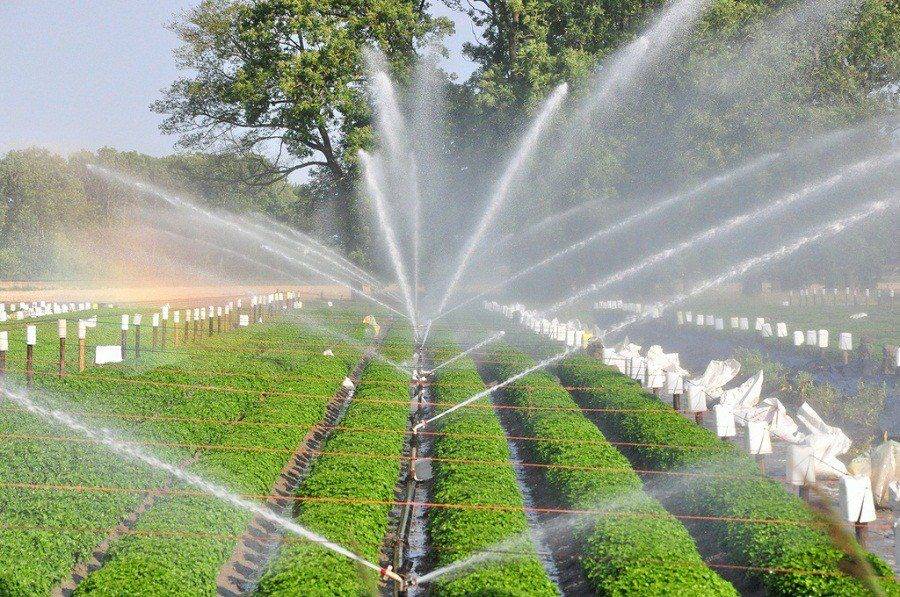
As the world grapples with feeding a growing population using less land and water, irrigation has emerged as a game-changer—especially for smallholder farmers in Africa.
A 10-year study across Mozambique, Tanzania, and Zimbabwe revealed that many irrigation schemes fail not because of broken infrastructure, but because of poor crop choices, weak governance, and a lack of market access. Farmers are often pushed to grow low-value staples like maize or rice, which simply aren’t profitable on small plots.
But there’s good news: smart, small-scale irrigation can turn things around.
Projects introduced soil monitoring tools, innovation platforms, and business training to help farmers make informed decisions about watering, crop choices, and marketing. With better tools and knowledge, farmers used less water, reduced conflict, increased yields, and earned more—transforming irrigation schemes into climate-smart, profitable systems.
The next step? Scaling these successes. This means building better policies, connecting farmers to markets, and supporting community-led, circular food systems that make the most of every drop of water.
The future of African farming could be bright—if we get irrigation right.